Avoid Fines: South Norwood Waste Disposal Laws
Posted on 29/07/2026
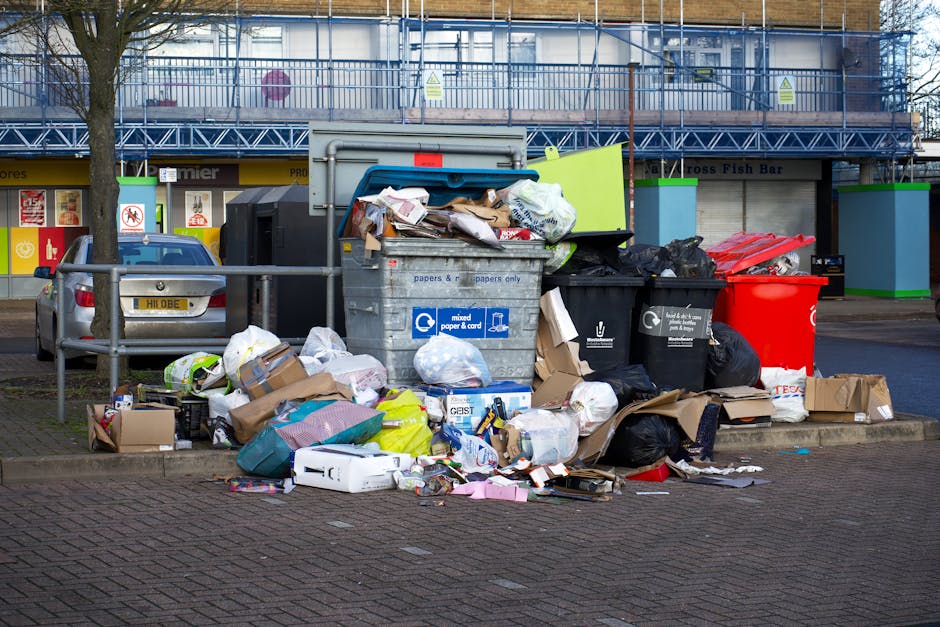
If you are clearing out a flat, shifting house contents, or dealing with bulky items after a move, South Norwood waste disposal laws can feel surprisingly easy to trip over. One wrong bin, one missed permit, or one sofa left on the pavement at the wrong time, and suddenly a simple tidy-up becomes a costly headache. The good news? It does not have to be like that. With a bit of local know-how and a sensible plan, you can dispose of waste properly, stay on the right side of the rules, and keep the whole process calm.
This guide breaks down what matters most in plain English. You will learn how local disposal rules usually work, where the common fines come from, what to do with bulky waste, and how to handle move-day rubbish without stress. It is practical, local, and meant to save you time, money, and a fair bit of frustration.
Why South Norwood Waste Disposal Laws Matter
Waste disposal rules exist for a reason: they keep pavements clear, reduce fly-tipping, protect public health, and make sure rubbish is handled safely. In South Norwood, that matters more than people often realise. Narrow streets, busy residential roads, shared access points, and frequent move-outs mean discarded furniture or bags of waste can become an issue very quickly.
To be fair, most people do not set out to break the rules. It usually starts with something small. A mattress goes out early. A cardboard pile sits by the kerb a little too long. A builder's bag is left next to a communal bin because the bin was full. Then the council, a neighbour, or a passing enforcement officer notices. That is how avoidable fines happen.
There is also a wider risk. Incorrect disposal can lead to rubbish being collected by unlicensed operators, dumped elsewhere, or left in a state that creates extra costs later. If you are moving home, the last thing you want is a penalty notice arriving after you have already spent half the week chasing boxes and keys.
Key point: the safest route is usually the boring one - sort waste early, keep proof of proper disposal where you can, and avoid leaving items on the street unless you are certain it is allowed.
If you are already planning a larger move, it can help to connect disposal with the rest of the job. For example, a sensible packing plan from secrets to packing success when shifting residences and a clear decluttering process from prioritise decluttering for a seamless moving experience can dramatically reduce how much waste you need to deal with in the first place.
How South Norwood Waste Disposal Laws Work in Practice
There is no single magic rule for every item. Waste disposal tends to be a mix of household waste rules, bulky waste handling, recycling requirements, and local controls around placing items on public land. The exact details can vary by item type and by how you arrange collection or removal, so the safest approach is to think in categories.
1. General household waste
This is your everyday rubbish: food waste, packaging, broken small items, and similar. It normally needs to go in the correct household containers or be taken through an approved disposal route. Overfilling bins, leaving loose rubbish beside communal bins, or storing waste in shared hallways is where problems often begin.
2. Recyclables
Cardboard, glass, metal, plastics, and other recyclable materials should be separated where possible. Clean, dry cardboard from a move is usually one of the easiest things to deal with, but it must still be handled responsibly. Flatten it, tie it safely, and do not block access routes.
3. Bulky waste
Large items such as sofas, wardrobes, beds, fridges, and mattresses usually need special handling. This is where many fines are avoided - or triggered. If you leave bulky waste on the street without the correct arrangement, it can be treated as fly-tipping or an obstruction. For move-specific guidance, the article on South Norwood bulky waste moves for sofas and fridges is especially relevant.
4. Trade or renovation waste
If waste comes from work rather than a normal household clean-out, different rules may apply. Old fixtures, materials, and contractor-generated rubbish usually need a proper commercial or specialist disposal arrangement. Never assume it can be treated the same as household waste. That assumption gets people into trouble all the time.
5. Street placement and access issues
In practical terms, many fines come from where the waste is placed, not just what it is. If you need to use a pavement, a loading bay, or a roadside area, make sure the setup is allowed. A good example is the advice in Station Road SE25 moves van access and parking tips, which shows how local access and positioning can affect the whole move.
That is the basic structure. Once you understand which bucket your waste falls into, it becomes much easier to choose the right route and avoid the silly mistakes.
Key Benefits and Practical Advantages
Following local waste disposal rules is not just about avoiding a fine, although that is obviously a big part of it. Done properly, it saves time and keeps the moving process much cleaner and more manageable.
- Less risk of penalties: If waste is stored, sorted, and removed correctly, you reduce the chance of enforcement action.
- Safer access for everyone: Clear paths, doorways, and pavements matter, especially in shared buildings.
- Faster move-outs: When waste is sorted early, removals and handover day become simpler.
- Better recycling outcomes: More items can be reused or recycled when they are not mixed with general rubbish.
- Less neighbour friction: Nobody enjoys stepping around a mattress at 7am. Let's face it, that never goes down well.
There is also a subtle benefit people overlook: a tidy, lawful disposal plan helps you think more clearly. If you have already separated keep, donate, recycle, and dispose piles, everything else in the move gets easier. Packing goes faster. Cleaning goes faster. The property looks better when it is time to leave.
If you are dealing with heavy furniture, the article on lifting heavy loads solo and effective kinetic lifting can also help reduce damage and accidental mess while you move items out.
Who This Is For and When It Makes Sense
This topic matters to a wide range of people, not just anyone with a van and a pile of rubbish. In South Norwood, the need often shows up at exactly the wrong time: when you are tired, short on storage space, and trying to leave a property in good condition.
- Home movers: People clearing out a house, flat, or shared tenancy before moving day.
- Landlords and letting agents: Those who need clear, lawful removal after tenants leave items behind.
- Students: Often dealing with furniture, broken items, boxes, and urgent end-of-term clear-outs.
- Office managers: Especially if desks, chairs, electronics, or archive materials need disposal.
- People downsizing: Households reducing possessions and wanting a cleaner, leaner layout.
- Anyone handling bulky items: Sofas, bed frames, fridges, wardrobes, and similar items need a bit of planning.
It makes sense to think about disposal laws early if you are planning a larger move, a same-day clearance, or a last-minute tidy-up. If the schedule is tight, urgent same-day removals in South Norwood can be useful context because waste and removals often need to be coordinated together, not treated as separate jobs.
And if you are moving a smaller property, like a studio or upper-floor flat, the practical pressures are different. The page on flat removals in South Norwood is relevant because shared entrances, stairs, and limited access change how waste should be handled. One careless pile in a corridor can become an instant problem.
Step-by-Step Guidance
If you want a simple way to stay compliant, use this process. It is straightforward, and frankly, a lot less stressful than winging it.
Step 1: Identify everything you need to remove
Walk through the property room by room. List items by category: keep, donate, recycle, dispose, and special handling. Special handling usually means bulky items, glass, electrical items, paint, liquids, or anything heavy and awkward. Do not assume you will remember later. You probably won't.
Step 2: Separate reusable items
Good-quality furniture, working appliances, and usable household goods may be suitable for reuse or resale. Separating them early avoids contamination by general rubbish. A sofa that could be stored or passed on should not be treated the same as damaged waste. If storage is part of your plan, long-term sofa storage tips might be useful before you decide to dispose of it.
Step 3: Check what needs special disposal
Some items are simple enough. Others need proper handling, collection, or recycling. Mattresses, fridges, and large furniture often need a more organised approach. For bed-related items, your mattress and bed relocation guide can help you plan removal without damaging the building or the item itself.
Step 4: Plan the timing
Do not leave disposal until the last night. That is where people get sloppy. Work backwards from move day, handover day, or the date the council collection is needed. Give yourself breathing space for weather, access issues, or a missed collection slot.
Step 5: Use the correct route
Choose the right method for each pile: household bins, recycling, bulky waste collection, licensed removal, or specialist disposal. If in doubt, err on the side of caution. A legal disposal route costs less than a fine, and usually far less than the stress of sorting out a complaint later.
Step 6: Keep the area clean and clear
Once items are removed, sweep the area, clear packaging, and make sure nothing is left in shared spaces. Many move-related problems are not about the major items; they are about the small debris, tape, plastic wrap, and offcuts that get forgotten.
Step 7: Keep basic records
It is smart to keep any receipt, booking confirmation, or note showing how bulky items were removed. You do not need a folder full of paperwork. Just enough evidence to show you acted responsibly if there is ever a query.
Expert Tips for Better Results
Here is the difference between a messy disposal job and a smooth one: the smooth version starts early. That sounds obvious, but in real life most people wait too long.
- Start with the largest items first. Big furniture dictates your space, access, and transport needs.
- Flatten cardboard immediately. It creates space and stops piles becoming a fire or trip risk.
- Avoid mixed dumping. Keeping recyclables separate makes processing easier and safer.
- Measure awkward items before moving them. That extra two minutes can save a scratched wall or bent banister.
- Think about route, not just item. A sofa may be easy in an open hallway and brutal on a narrow stairwell.
One practical observation from move jobs in South Norwood: problems often start at the boundary between the property and the street. Inside the home, you can take your time. Outside, you are dealing with neighbours, parked vehicles, weather, and public access. That is why timing and placement matter so much.
If your move involves a tricky building layout or tight stairwells, it helps to read the note on furniture moving tips for narrow streets. A bit of practical route planning goes a long way.
And yes, a label on every bag sounds a little over the top until you are standing there at 9pm wondering which black sack contains bedding and which one has broken lamp parts. Been there. Not fun.
Common Mistakes to Avoid
This is the section that saves people money. Most disposal fines are not clever traps; they come from a handful of avoidable mistakes.
- Leaving waste on the pavement too early. Even if collection is planned, timing matters.
- Assuming "everyone does it". Other people being careless is not a defence.
- Mixing household waste with sharp or hazardous items. That creates safety and sorting problems.
- Using unlicensed disposal help. Cheap can become expensive very quickly.
- Forgetting about shared entrances. Hallways, bin stores, and access paths need to stay clear.
- Ignoring bulky item rules. Sofas, beds, and fridges are not ordinary rubbish.
- Leaving packing waste until the end. The mountain of cardboard always looks smaller on day one.
A common one we see is the "temporary pile" that becomes permanent without anyone noticing. A couple of bags in the corner. Then a chair. Then the last old lamp. It snowballs. Before long, the space no longer looks like a clear move-out area, and that is exactly the kind of situation that invites complaints or enforcement.
If your move and disposal plan is tied closely together, the broader advice in hidden costs of removals in South Norwood is worth a read. Waste issues often create cost surprises people never budgeted for.
Tools, Resources and Recommendations
You do not need specialist equipment for every job, but the right basics make the process safer and cleaner.
Useful tools
- Strong gloves for handling broken packaging, sharp edges, or rough furniture
- Heavy-duty refuse sacks for sorted waste
- Labels or marker pens for separating keep, recycle, and dispose piles
- Tape and a box cutter for flattening cardboard safely
- Moving blankets or wraps for items that may be reused or stored
- A hand trolley or sack truck for bulky but stable items

Practical recommendations
- Use a single room or corner as the waste staging area, so you are not chasing little piles all over the property.
- Keep a simple note on what is being disposed of and when.
- Check parking and access before collection day, especially if a van is involved.
- Match disposal method to item type instead of choosing the easiest-looking option.
If you are comparing ways to handle waste alongside removals, the general service overview at services overview can help you see how moving, loading, and disposal often fit together. For planning the actual move itself, removals South Norwood and man with a van South Norwood are also useful reference points when you need a practical transport solution rather than a last-minute scramble.
Law, Compliance, Standards, and Best Practice
Without getting legalistic, the core principle is simple: you are responsible for disposing of your waste properly. In the UK, that generally means using lawful, traceable, and appropriate disposal methods. If waste is left in a public place without permission, or handed to someone who dumps it, the original owner can still face consequences depending on the circumstances.
In everyday terms, compliance usually means:
- not fly-tipping
- not obstructing public highways or shared access spaces
- using appropriate disposal routes for large or special items
- keeping recyclable materials separate where practical
- avoiding unsafe storage of waste in hallways, entrances, or communal areas
Best practice also means thinking about safety. Heavy items need safe lifting and proper route planning. That is where a measured approach matters. The article on secrets of lifting heavy loads solo and the one on effective kinetic lifting can support safer handling before disposal, which is especially useful if you are trying to avoid damage or injury.
For households moving out completely, it is also sensible to align waste disposal with cleaning and handover standards. A property that is empty, swept, and free of leftover rubbish is less likely to trigger disputes. The guide on cleaning your house before a big move fits neatly into that picture.
Options and Comparison Table
Choosing the right disposal method depends on what you have, how much time you have, and how much lifting you want to do yourself. Here is a simple comparison.
| Option | Best for | Pros | Watch-outs |
|---|---|---|---|
| Household bin/recycling | Small everyday waste and clean recyclables | Simple, low cost, familiar | Not suitable for bulky or special items |
| Council bulky waste collection | Large household items | Structured, lawful, convenient | May need booking and planning ahead |
| Reuse, donate, or sell | Usable furniture and household goods | Reduces waste and may recover value | Not always possible for damaged items |
| Licensed removal or clearance support | Mixed waste, large volumes, awkward loads | Saves time and reduces lifting | Needs good booking and clear instructions |
| Skip or container hire | Renovation or large clearance projects | Useful for ongoing waste generation | Placement, permits, and sorting need attention |
For many moving households, the best answer is a mix of methods rather than just one. Recyclables go one way, reusable furniture another, and bulky waste gets handled separately. That mixed approach is often the least messy and the least risky.
If skips are part of your thinking, it is worth reviewing the local angle in skip and disposal rules in Croydon for movers. It is the kind of detail that can save a lot of hassle at the roadside.
Case Study or Real-World Example
Picture a typical South Norwood move-out. A couple is leaving a first-floor flat at the end of the tenancy. They have a broken wardrobe, a sagging mattress, several bags of mixed rubbish, and an old chest of drawers that no longer fits in the new place. At first, it feels manageable. Then the packing starts, the hallway narrows, and suddenly every item is in the wrong room.
Instead of piling everything by the front door, they split it into three groups: reusable, recyclable, and dispose. The wardrobe is dismantled early. The mattress is set aside for a proper bulky-item route. Cardboard is flattened and bundled. General rubbish is bagged separately. On move day, the flat is clear, the hallway is open, and the handover is calm.
Now compare that with the rushed version. Items are left outside "just for a minute." Bags get mixed. A neighbour complains. Someone misjudges the collection timing. The result is mess, stress, and possibly a fine. The work is almost identical. The outcome is not.
That is the real lesson: planning does not need to be complicated. It just needs to happen before the pressure peaks.
Practical Checklist
Use this checklist in the final days before disposal or move-out.
- Identify all waste by room and item type
- Separate reusable items from rubbish
- Flatten cardboard and sort recyclables
- Check whether bulky items need special collection
- Keep hallways, stairs, and pavements clear
- Arrange lawful removal or collection in advance
- Do not leave waste outside unless you are sure it is permitted
- Keep proof of booking or collection where possible
- Sweep up packaging debris and loose material
- Double-check the property is empty before handover
If you want to make the entire move easier, a broader plan helps too. moving out of SE25 packing checklist and stress-free house moves tips and tricks both pair well with disposal planning, because the real challenge is usually coordination, not the rubbish itself.
And if the move is especially rushed, avoiding matchday delays can matter more than you think. Local traffic and timing can turn a simple collection into a mildly chaotic afternoon. Not ideal, really.
Get a free quote today and see how much you can save.
Conclusion
South Norwood waste disposal laws are not there to make your life difficult. They are there to keep shared spaces usable, streets clean, and disposal safe. Once you understand the basics, the process becomes much more manageable: sort early, use the right disposal route, keep access clear, and avoid leaving items where they should not be.
That is really the heart of it. The fewer surprises you leave for moving day, the easier everything feels. A bit of planning now can save a fine later, and honestly, that is a trade worth making.
Take it one room at a time, keep things tidy, and you will get through it just fine. One step, then the next.