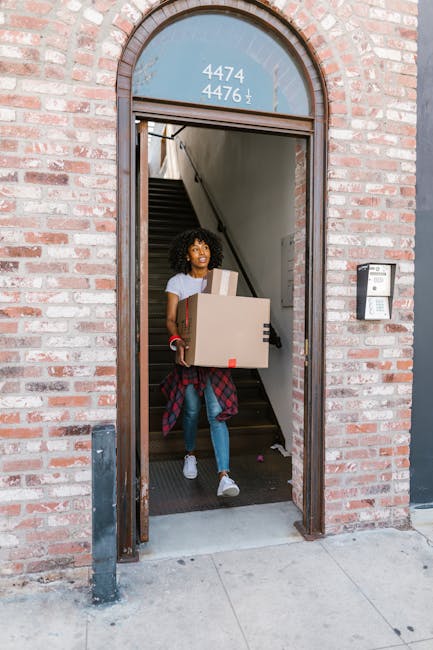
Portland Road house removals best practices in South Norwood

If you are planning a move around Portland Road, you already know it is rarely as simple as loading boxes and driving off. South Norwood streets can be tight, parking can be awkward, and a good moving day depends on timing, organisation, and the right kind of help. That is exactly why Portland Road house removals best practices in South Norwood matter so much.
Done properly, a house move here feels calm, controlled, and almost boring in the best possible way. No last-minute panic, no broken lampshades, no van circling the block while someone mutters about access. In this guide, you will find practical, local, real-world advice on how to plan, pack, compare options, and move with less stress. We will also cover the little details that often get missed, because truth be told, those are the bits that save the day.
Whether you are moving a one-bed flat, a family home, or a property with awkward stairs and narrow front access, the same core best practices apply: prepare early, protect your belongings, think about parking and timing, and choose a removal setup that suits your street, not just your budget.
Why Portland Road house removals best practices in South Norwood Matters
Portland Road is the kind of place where a move can go smoothly or become a bit of a mess depending on planning. South Norwood has a mix of homes, different parking pressures, and regular day-to-day traffic that can make a simple removal more complicated than people expect. So, best practice is not a fancy phrase here. It is the difference between a move that feels manageable and one that eats your whole day.
There are a few reasons this matters locally. First, access. Even a perfectly packed van becomes useless if it cannot stop safely close to the property. Second, timing. A move that clashes with school runs, commuter traffic, or busy delivery times can stretch into the afternoon. Third, property layouts vary a lot. Some homes have narrow halls, tight corners, steep steps, or awkward garden access, which changes how furniture should be handled.
And let's face it, moving home is already mentally noisy. You are juggling utilities, keys, checklists, labels, and maybe a child asking where the kettle is. A sensible removal plan reduces all that background noise. It creates breathing room. That, more than anything, is why local best practices matter.
Expert summary: Good removals planning in South Norwood is not only about strength or vehicle size. It is about fit: the right vehicle, the right timing, the right packing, and a route that suits the street.
How Portland Road house removals best practices in South Norwood Works
The process is straightforward when broken into stages. In practice, house removals work best when you treat them as a sequence rather than a single event. You are not just "moving house"; you are preparing, loading, transporting, unloading, and settling in. Each stage has its own risks and its own way to go wrong.
Start with the property itself. Measure larger items, check doorway widths, and think about where the van will stop. If you know the street has limited waiting space, plan for that early. Then move on to packing. Good packing is not about filling boxes quickly; it is about making items secure, stackable, and easy to identify later.
Next comes the load order. Heavy, stable items usually go in first. Fragile items need protection and should not be buried under random loose bags. Clothing, bedding, and lighter items can fill gaps and reduce movement in transit. The van should be loaded to minimise shifting, especially on streets with speed bumps or stop-start driving.
Finally, there is unloading and placement. A move is far easier when boxes are labelled by room and essential items are kept separate. You want the kettle, charger, basic tools, toiletries, and documents within reach, not somewhere under a mountain of "miscellaneous kitchen". We have all seen that box. Nobody wants to open it at 9 p.m.
Key Benefits and Practical Advantages
Using proper house removal best practices gives you more than just a tidy moving day. It helps protect your possessions, your time, and your energy. The advantages are practical and immediate.
- Less damage: Proper packing and loading reduce knocks, scrapes, and breakages.
- Faster moving day: Clear labels and organised loading cut delays.
- Better use of space: A well-planned load often needs fewer trips or a smaller vehicle than a chaotic one.
- Reduced stress: When the key jobs are decided in advance, the day feels far less frantic.
- Better access planning: Local streets, parking, and turning space are handled before they become a problem.
- More control over costs: Efficient preparation can reduce extra time and avoid avoidable add-ons.
There is also a subtle benefit people forget: confidence. Once you know where everything is going and how the move will happen, you stop second-guessing every decision. That calm is worth a lot. Especially when the rain starts at exactly the wrong moment, which, to be fair, does happen in London.
Who This Is For and When It Makes Sense
This approach makes sense for almost anyone moving home on or near Portland Road, but it is especially useful if you have one of these situations:
- a family home with larger furniture and more boxes than expected
- a flat move with stairs, limited parking, or restricted access
- a same-day move where timing really matters
- a property with valuable, bulky, or fragile items
- a move involving children, pets, or people who need a steadier pace
- a move where you want to compare house removals with a smaller-scale service
It also makes sense if you are in that awkward stage where you do not know whether you need a full crew, a van-only option, or something in between. Many people think removals are a binary choice. They are not. Sometimes the sensible answer is a smaller, well-organised vehicle and a few clear instructions. Sometimes it is a full-service team with packing support. The right answer depends on your inventory, your building, and your time pressure.
If you are comparing moving options, pages like removals, home moves, and man and van can help you think through the scale of your move without overcommitting.
Step-by-Step Guidance
A good move is usually won before moving day even arrives. The following steps are practical, simple, and worth doing properly. Skipping them might feel harmless at the time. It rarely is.
1. Start with a room-by-room inventory
Write down what is leaving, room by room. This does not need to be a perfect spreadsheet unless that is your thing. A simple list is enough. The point is to understand volume, weight, and any awkward items such as mirrors, plants, exercise equipment, or a mattress that has somehow become heavier than expected.
2. Check access at both ends
Walk the route from front door to van space. Notice tight corners, steps, low ceilings, narrow hallways, and anything that might snag a sofa or wardrobe. In South Norwood, access often matters as much as distance. A short move can still take time if the vehicle cannot park where you want it.
3. Decide what the van needs to carry
Do not guess. Estimate. If you have a lot of bulky furniture, boxes of books, or appliances, a larger vehicle may be more efficient than trying to squeeze everything into a smaller load. It is the classic false economy. Save a little, then spend the day making extra trips. Not ideal.
4. Declutter before packing
This is the easiest place to make life simpler. Anything broken, duplicated, or no longer used should be removed before the packing starts. Decluttering helps with cost, space, and sanity. If you want a bit of structure for this stage, the guide to prioritising decluttering for a seamless moving experience is a useful companion read.
5. Pack by category and room
Use strong boxes, proper tape, and labels that make sense at 7 a.m. when everyone is half-awake. Mark boxes by room and note anything fragile. Kitchen items should stay together if possible. Books should go in smaller boxes so they are not impossible to lift. Shoes, cables, linens, toiletries - all better grouped than mixed randomly.
6. Keep essentials separate
Make one clearly marked essentials bag or box. Include keys, phone chargers, basic medication, documents, tea bags, toilet rolls, snacks, pet supplies, and a change of clothes. If you need something on day one, it goes there. This tiny bit of preparation avoids a lot of drama later.
7. Protect furniture and fragile items
Wrap furniture corners, remove loose shelves where possible, and secure drawer contents. Mirrors, artwork, and glass items need extra care. If you are moving a bed, mattress protection is worth considering too. For more detail, see the practical mattress and bed relocation guide at this mattress and bed relocation guide.
8. Load in a sensible order
Heavy and stable items go first. Softer items can fill spaces. Fragile boxes should sit securely, not wobbling on top of uneven furniture. Think of it like building a puzzle that has to survive potholes and brakes. Because that is exactly what it is.
9. Do a final walk-through
Before the van leaves, check cupboards, loft spaces, sheds, and behind doors. People forget things in hallways, under sinks, and even in the washing machine. Happens all the time. A final walk-through is one of those tiny habits that prevents a very annoying return visit.
10. Unpack essentials first
At the new property, get the basics sorted before chasing perfection. Bed, kettle, fridge contents, bathroom basics, and chargers first. Decorative items can wait. The goal is to make the house liveable, not magazine-ready on day one.
Expert Tips for Better Results
Once you have the basics covered, there are a few small decisions that can improve the whole move. These are the sorts of details people often only learn after one difficult move. Better to know now.
- Book for the right time of day: Early starts often work best because traffic tends to be lighter and everyone is fresher.
- Separate fragile from valuable: Something can be fragile without being expensive, and vice versa. Pack both carefully.
- Use colour labels: A simple colour system by room makes unloading quicker than reading tiny handwriting on a damp box.
- Take photos of cable setups: Especially for TVs, routers, and computer desks. Future-you will be grateful.
- Plan around local traffic patterns: If you know a road gets busy at certain times, avoid those windows where possible.
- Measure bulky items twice: Sofas, wardrobes, and appliances often look smaller in a hallway than they really are.
One local point worth saying plainly: if your move involves a narrow street or awkward parking, the vehicle choice matters more than people think. For some jobs, a nimble man with van setup is the right fit. For others, a larger moving van or even a more structured house movers service makes the day smoother.
A small human tip: tape a pen to the outside of your essentials box. You will laugh, then you will use it. More than once.
Common Mistakes to Avoid
The biggest mistakes are usually not dramatic. They are mundane, almost annoying little oversights that snowball. Here are the ones we see most often.
- Underestimating volume: A few "extra" boxes become a serious load very quickly.
- Leaving parking to chance: If the van has nowhere convenient to stop, everything slows down.
- Packing heavy boxes too large: A huge box full of books is a back injury waiting to happen.
- Not labelling rooms clearly: Unlabelled boxes waste time at unloading.
- Forgetting disassembly tools: Allen keys, screwdrivers, and tape should be ready, not hunted for later.
- Leaving cleaning until the last minute: It is easier to clean an empty room than a half-packed house.
- Ignoring weather: Rain, wind, and slippery steps can all affect loading and safety.
There is another one people miss: not reading the terms of the moving arrangement. If you have specific expectations about timing, loading assistance, or payment, make sure they are clear before the day begins. It avoids awkward conversations when everyone is standing on the pavement with a wardrobe.
Tools, Resources and Recommendations
You do not need a huge toolkit to move well, but a few items make a real difference. The goal is to keep things simple, secure, and easy to manage.
| Tool or item | Why it helps | Best used for |
|---|---|---|
| Strong boxes | They stack better and protect contents | Kitchenware, books, clothes, mixed household items |
| Packing tape | Keeps boxes sealed during lifting and transit | All box packing |
| Bubble wrap or paper | Cushions fragile items | Glass, ceramics, framed items |
| Furniture blankets | Reduces scratches and scuffs | Sofas, tables, cabinets |
| Marker pens and labels | Makes unloading far faster | Room-by-room organisation |
| Ratchet straps or ties | Helps secure larger items in transit | Furniture, appliances, awkward loads |
It is also worth using practical content already available if you are planning a move in stages. The following resources can help with common parts of the process: packing checklist for moving out of SE25, packing success tips, and how to clean your house before a big move.
If the move includes bulky items such as a sofa, fridge, or even a piano, specialist handling becomes more important. The articles on bulky waste moves for sofas and fridges and piano moving with experts are useful examples of how different item types change the plan.
Law, Compliance, Standards, or Best Practice
For most household moves, the main compliance concerns are practical rather than dramatic: safe lifting, road access, parking, waste handling, and clear agreements. You do not usually need to turn a house move into a legal project, but you do need to stay sensible.
In the UK, moving home can involve a few common responsibilities. If waste or unwanted items are being removed, they should be handled properly and not dumped irresponsibly. If a vehicle needs to stop in a restricted or awkward spot, local parking rules may apply. And if the move includes large items or disposal work, you should be clear about who is responsible for what.
Good providers should also take care around loading safety, equipment handling, and vehicle security. A reputable team will normally be willing to explain how they protect your furniture, what is covered, and what the customer should prepare in advance. If you want a broader overview of safety expectations, the pages on insurance and safety and health and safety policy are worth reviewing.
There is also a sustainability angle. Reusing packing materials where possible, avoiding unnecessary journeys, and handling unwanted items responsibly all help keep a move tidy and less wasteful. If that matters to you, see recycling and sustainability.
For pricing clarity and payment expectations, it is sensible to read through pricing and quotes before you commit. Transparent pricing makes a move far less stressful. Nobody enjoys surprises at the doorstep.
Options, Methods, or Comparison Table
Different moves need different setups. Here is a practical comparison to help you choose the right approach for a Portland Road move in South Norwood.
| Method | Best for | Strengths | Watch-outs |
|---|---|---|---|
| Man and van | Smaller flats, partial loads, quick local moves | Flexible, usually efficient for short distances | May not suit large full-house moves |
| Full house removals | Whole-home moves, larger furniture, more boxes | More structured, better for bigger loads | Can be more than you need for a small move |
| Packing and unpacking service | Busy households, time-poor movers, fragile items | Saves time, reduces packing stress | Needs clear instructions and planning |
| DIY with hired transport | Very small moves, confident organisers | Lower-cost feel and full control | Higher physical effort, more risk of delays |
If you are uncertain, compare the scale of your belongings against the access at both properties. That simple test solves a lot. A compact move with good access might suit man and van removals. A full family move with a lot of furniture usually fits better under house removalists or a more complete removal company solution.
Case Study or Real-World Example
Here is a realistic example based on the kind of move people make locally. A couple moving from a first-floor flat near Portland Road had a sofa, bed, dining table, eight to ten boxes of books, a washing machine, and a few fragile lamps. On paper, it sounded manageable. In reality, the narrow stairwell and limited parking changed the plan.
They started by measuring the larger furniture and checking where a van could stop. That small step saved a lot of worry. They also separated fragile items into clearly marked boxes and kept bedding, toiletries, and kettle supplies in one essentials box. A nearby parking space was likely to turn over quickly, so the moving time was arranged early in the morning.
What made the difference? Three things. First, they decluttered a lot more than they expected, especially old books and duplicate kitchenware. Second, they packed by room, which made unloading far smoother. Third, they accepted that the sofa would need careful manoeuvring rather than brute force. Very unglamorous, but very effective.
The result was not magical. It was just well planned. No broken glass, no lost cables, no frantic search for the toothpaste. A boring move is often a successful move, and honestly, that is the goal.
Practical Checklist
Use this checklist in the final week before the move. It is short, but it covers the things that tend to go wrong when people are rushing.
- Confirm the moving date and arrival window
- Check access, parking, and entry points at both properties
- Measure large furniture and doorways
- Declutter unwanted items before packing
- Buy boxes, tape, labels, and protective wrap
- Pack room by room and label clearly
- Set aside essentials for day one
- Disassemble furniture if needed
- Photograph cable and appliance setups
- Keep important documents and valuables with you
- Confirm any special handling for fragile or bulky items
- Do a final sweep of cupboards, loft spaces, and storage areas
- Check the new home has access and any needed keys or codes
Practical takeaway: The best Portland Road house removals best practices in South Norwood are the ones that reduce uncertainty before moving day starts. Clear planning, good packing, and realistic access checks do most of the heavy lifting for you.
Conclusion
Portland Road house removals best practices in South Norwood are really about making the move fit the street, the property, and your life. That means planning access, choosing the right removal method, packing sensibly, and avoiding the rushed decisions that cause problems later. Keep it organised, keep it practical, and give yourself enough time to do the awkward jobs properly.
If you want the move to feel calmer, start with the basics: measure, label, declutter, protect, and confirm the details early. That simple framework works more often than people expect. And once the boxes are finally in the right rooms, the kettle is on, and the first evening is over, you will be glad you took the time.
Get a free quote today and see how much you can save.
Sometimes the best move is the one that does not feel like chaos at all. Just a steady day, a few good decisions, and a clean start.
Frequently Asked Questions
What are the best practices for house removals on Portland Road in South Norwood?
The best practices are to check access and parking early, declutter before packing, label boxes clearly, protect fragile items, and choose a van or removals setup that matches the size of your move. Local street conditions matter more than people think.
Do I need a full removal company or just a man and van?
It depends on the volume of belongings, the type of furniture, and how much help you want. A smaller move with limited furniture may suit a man and van. A full house move usually benefits from a more structured removal service.
How far in advance should I book a house move?
As early as possible, especially if you want a preferred date or time. For busy periods, weekends, or end-of-month moves, booking ahead is usually the safer choice. Last-minute bookings can work, but the options may be tighter.
What should I pack separately for moving day?
Keep essentials separate: keys, phone chargers, medication, toiletries, snacks, important documents, kettle items, pet supplies, and a change of clothes. If you need it within the first 24 hours, it should be easy to reach.
How do I avoid damage to furniture during removals?
Use protective wrapping, remove loose parts, secure drawers, and make sure items are loaded in a stable order. Sofas, tables, mirrors, and wardrobes should be handled with enough padding and room to move safely.
Can removals be done safely on narrow South Norwood streets?
Yes, but access planning is essential. The vehicle choice, parking spot, and timing should all be considered before moving day. Narrow streets often work best with smaller, well-organised loading plans.
What are common hidden costs in house removals?
Common extras can include additional labour time, difficult access, extra stops, packing materials, or last-minute changes to the plan. Clear quotes and clear instructions help reduce surprises.
Should I declutter before booking a move?
Yes, if possible. Decluttering before booking or before finalising the move size can reduce what needs to be transported and may help you choose the right service more accurately. Less stuff usually means less stress.
What if I have a bulky item like a sofa or piano?
Bulky items need extra planning. Measure them, check access routes, and make sure they are handled by people who are used to moving large or awkward pieces. The route matters almost as much as the item itself.
Do I need to worry about parking or local restrictions?
Yes, absolutely. Parking and stopping space can affect the timing of the whole move. It is wise to check the route and the loading area before the day arrives so there are no unpleasant delays.
What is the safest way to prepare boxes for a move?
Use strong boxes, do not overfill them, keep heavy items in smaller boxes, and label everything clearly. Good tape matters too. A box that pops open on the stairs is nobody's idea of a good time.
Where can I find more help with planning a move in South Norwood?
You can explore related guides on packing, quotes, same-day availability, and local moving advice to help you plan each stage more confidently. The best moves are usually the ones planned in layers, not all at once.